














Here are the key shifts shaping how community foundations approach fundraising today:
- Community foundations are expanding beyond traditional cash giving methods
- Donors increasingly expect flexible, digital ways to give
- Crypto, stock, and donor-advised fund giving are driving larger gifts
- Foundations that adapt are better positioned to attract and retain modern donors
Community Foundations Are Facing a Shift in Donor Behavior
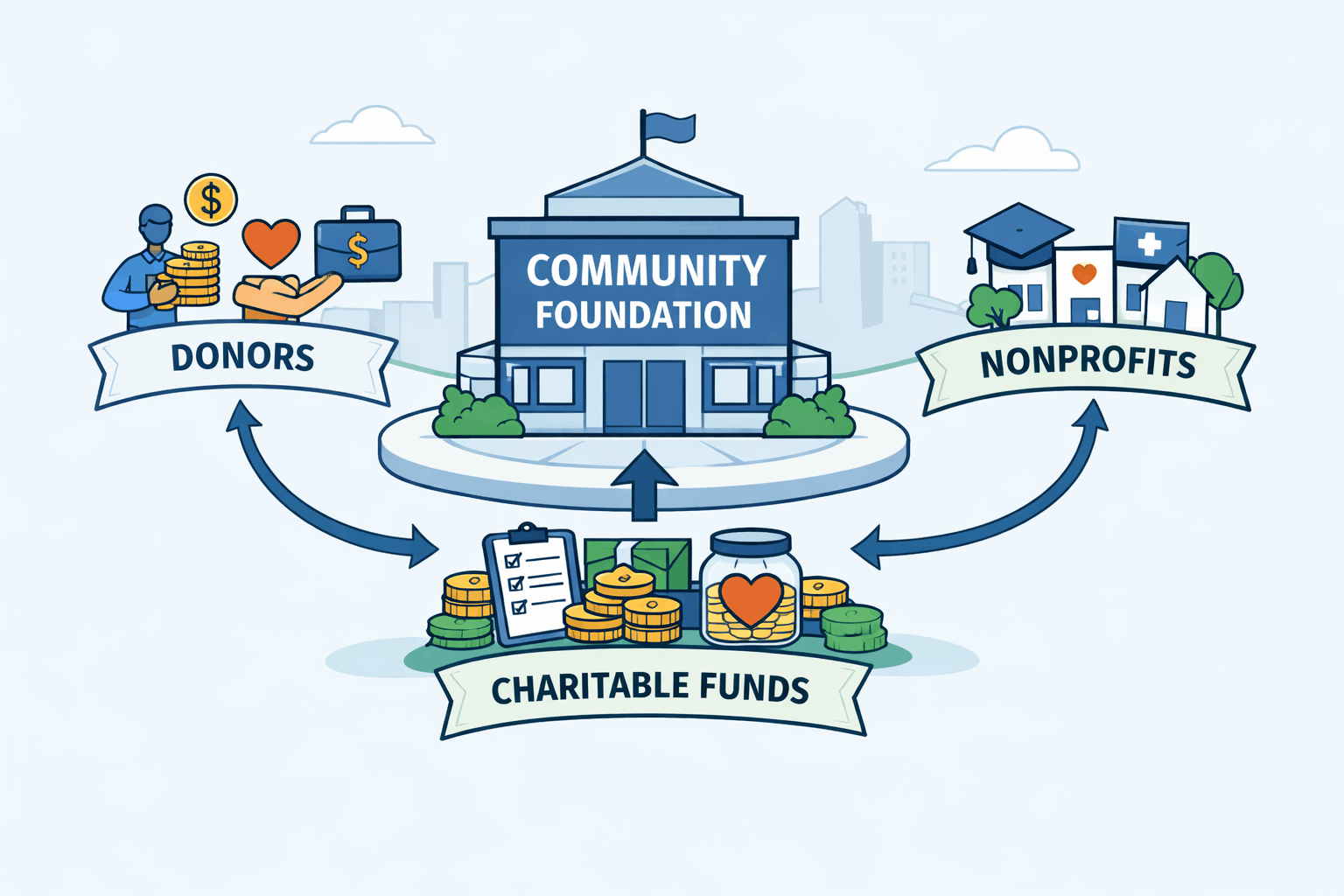
Community foundations have long served as the backbone for local philanthropy, managing funds and distributing grants across a wide range of nonprofit organizations. That role is not changing, but donor expectations are.
Today’s donors manage their finances digitally. They hold assets in brokerage accounts, donor-advised funds, and digital wallets. Giving is no longer a separate action. It happens in the same place and at the same moment as financial decisions.
If a foundation cannot accept a gift in the way a donor prefers to give it, that gift may never happen.
Why Traditional Giving Methods Are No Longer Enough
For many foundations, giving is still centered around checks and card donations. While those methods remain important, they no longer reflect how a growing generation of donors choose to give.
Donors want the ability to contribute the assets they already hold, without needing to convert them or go through additional steps.
This shift is already driving larger gifts. Average crypto donations exceed $11,000, while stock gifts often surpass $50,000. Donor-advised fund contributions typically average around $1,700. These are meaningful gifts from donors who are actively looking for organizations that can accept them.
How Community Foundations Are Expanding Giving Options and Why It Matters
Community foundations are responding by offering more flexible ways for donors and fundholders to give.
This includes the ability to accept:
- Cryptocurrency donations
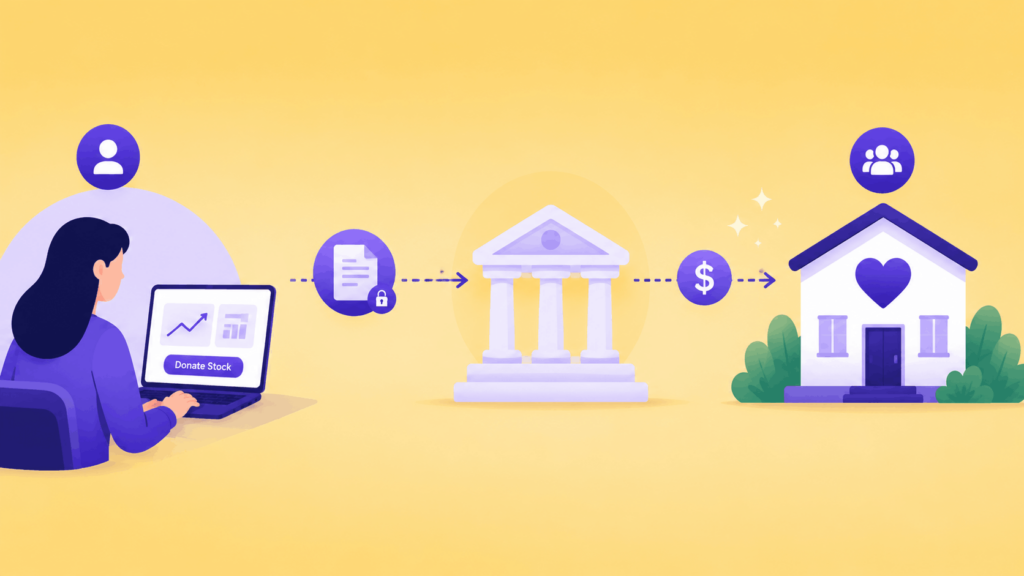
- Online stock giving
- Donor-advised fund contributions initiated directly by the donor
These options allow foundations to meet donors where they already manage their finances while increasing overall donation volume and engagement.
Expanding giving methods isn’t about replacing existing systems. It’s about building on top of them to support a broader range of donor preferences and unlock new giving opportunities.
Community foundations are uniquely positioned to build long-term relationships with donors. As giving preferences evolve, those relationships will increasingly depend on flexibility and accessibility.
Foundations that adapt can:
- Attract new donor segments
- Increase average gift size
- Strengthen long-term donor engagement
- Build more resilient and diversified funding streams
The organizations that move first are often the ones that benefit most from these shifts.
What Digital Giving Looks Like for Community Foundations
Digital giving is defined by flexibility, speed, and ease of use.
Donors expect:
- A seamless experience on web and mobile
- The ability to give instantly from anywhere
- Options that reflect how they hold and manage their assets
For community foundations, this means creating a giving experience that aligns with how donors already interact with their finances.
These changes reflect a broader shift toward Digital Fundraising, where organizations enable donors to give whatever asset they want, however they want, whenever they want.
How Community Foundations Can Implement These Changes
Adopting new giving methods does not require a complete overhaul of your existing systems.
You can introduce crypto, stock, and donor-advised fund giving through a streamlined setup that works alongside current operations.
This approach allows foundations to:
- Expand giving options without adding operational complexity
- Continue working with existing financial partners
- Launch quickly with minimal internal resources
- Provide a modern donor experience
With the right infrastructure in place, foundations can increase accessibility while maintaining the structure they already rely on.
Ready to Expand Giving Options for Your Community?
Community foundations are already adapting to how modern donors give. The question is whether your organization is set up to meet them where they are.
Ready to explore how your foundation can begin accepting crypto, stock, and donor-advised fund donations?
👉 Book a demo to see how this could work for your organization