










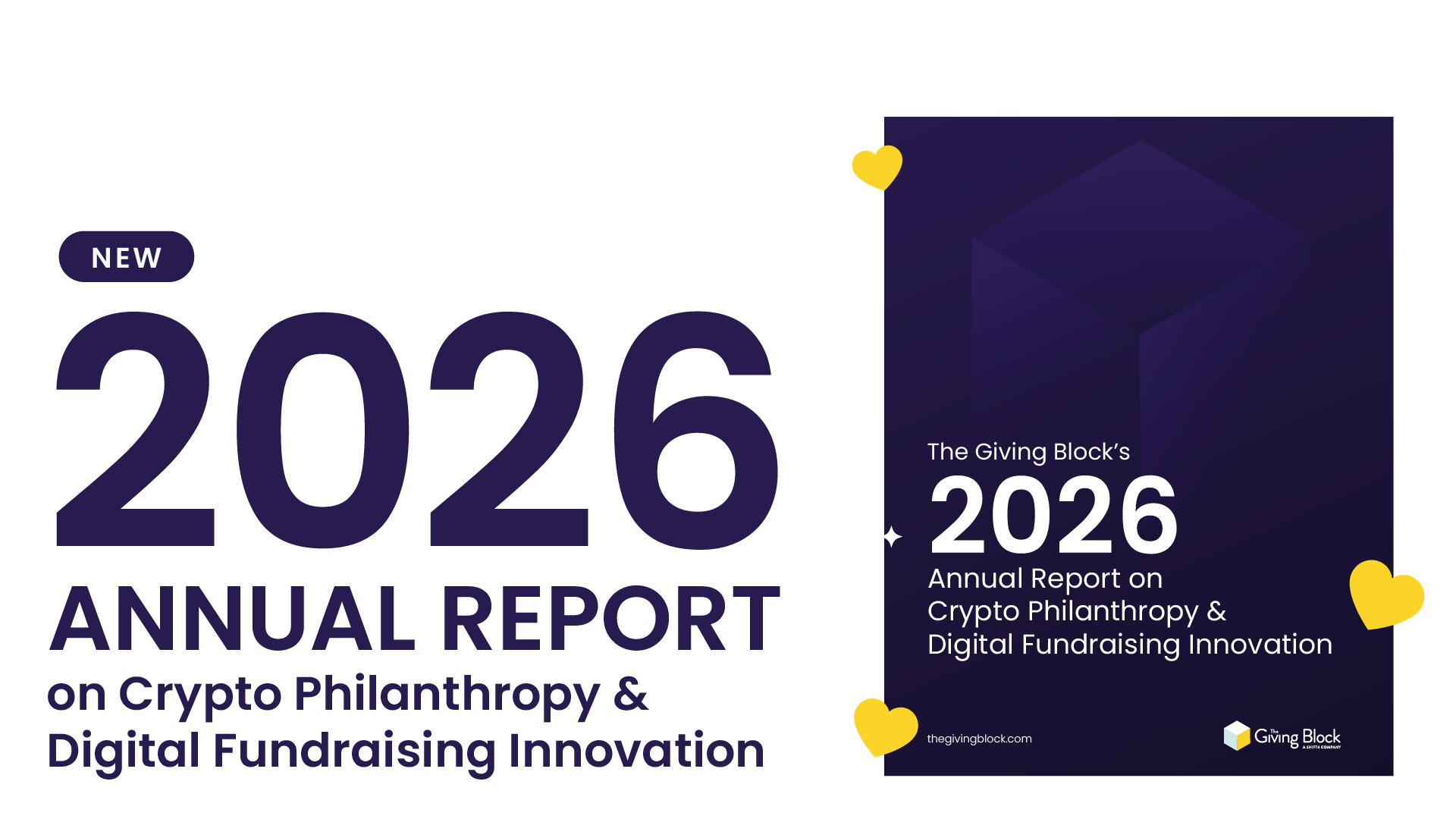





Donor-Advised Funds (DAFs) are becoming an increasingly important part of modern philanthropy. According to The Giving Block’s 2026 Annual Report on Crypto Philanthropy & Digital Fundraising Innovation, digital DAF donation volume more than doubled in 2025 compared to the previous year, while the number of digital DAF donations increased 2.5x. As more donors seek flexible, digital-first ways to give, understanding how DAFs work and how to optimize them can unlock powerful new opportunities for giving.
What Is a Donor-Advised Fund?
A Donor-Advised Fund is a charitable giving account managed by a sponsoring organization (like Fidelity Charitable, DAFgiving360, or a community foundation). Donors contribute to the DAF, may qualify for a charitable tax deduction in the year they contribute, and then recommend grants to nonprofits over time.
How DAFs Work:
- Make a Contribution – Donate cash, stock, or even crypto to your DAF.
- Get a Tax Deduction – Contributions to a DAF may be eligible for a charitable tax deduction in the year they are made, subject to applicable IRS rules, AGI limits, and other restrictions.
- Invest & Grow Funds – The DAF’s assets grow tax-free.
- Recommend Grants – Recommend grants to eligible charitable organizations, subject to the sponsoring organization’s approval and policies.
Donor-Advised Funds: Pros and Cons
Why Donors Love DAFs:
- Tax Efficiency: Donating appreciated assets, such as crypto or stock, directly to a DAF may allow donors to avoid realizing capital gains that could otherwise result from selling the assets first, while potentially qualifying for a charitable deduction.
- Simplicity: One account to manage all your giving.
- Flexibility: Recommend grants anytime—immediately or over years.
- Privacy: Donors can choose to stay anonymous when recommending grants.
Things to Keep in Mind:
- Irrevocable Gifts: Once contributed, assets can’t be returned to the donor.
- Control Is Limited: Once assets are contributed, the sponsoring organization has legal control of them. Donors retain advisory privileges over investments and grant recommendations.
- Account Fees: Some DAF providers charge administrative or investment fees.
- Payout Timing: Federal law does not currently require an annual minimum distribution from individual DAF accounts, although sponsoring organizations may have their own grantmaking or inactivity policies.
Donor-Advised Fund vs. Charitable Trust
Both options offer tax advantages, but they serve different purposes.
| Feature | Donor-Advised Fund (DAF) | Charitable Trust |
|---|---|---|
| Tax Deduction | May be available in year of contribution | Varies by trust type |
| Grant Distributions | Donor recommends | Trustee controls |
| Flexibility | High | Moderate to complex |
| Control | Limited | Greater legal control |
| Administrative Cost | Low | High (setup and maintenance fees) |
| Ideal Use Case | Annual giving, appreciated assets | Estate planning, income-generating gifts |
How Nonprofits Can Spotlight DAFs in Appeals
Despite their popularity, DAFs are still underrepresented in nonprofit marketing. Here’s how to change that:
1. Add DAF Mentions to Appeals
Simple language works:
“Support us through your Donor-Advised Fund by recommending a grant to [Your Nonprofit Name].”
2. Include a DAF Giving Widget
Use tools like The Giving Block’s DAF widget to make giving from a DAF as easy as a couple of clicks.
3. Build a Dedicated DAF Giving Page
Educate your supporters with FAQs, step-by-step instructions, and a reminder of your EIN.
4. Share DAF Donor Testimonials
Featuring donors who use their DAFs creates social proof and normalizes this giving method.
5. Use Clear, Familiar Terms
Avoid jargon—say “Donor-Advised Fund” or “DAF,” and use active phrases like “recommend a grant.”
Crypto + DAFs: A Powerful Giving Strategy
The 2026 Annual Report on Crypto Philanthropy highlights how crypto donors are increasingly using DAFs to combine tax-smart giving with long-term planning. Many high-net-worth donors choose to donate appreciated crypto into their DAF, allowing them to support multiple charities from a single, strategic account.
Younger donors—especially Millennials and Gen Z—are already engaging with crypto philanthropy. Nonprofits that accept both crypto and DAF gifts can meet these donors where they are.
Final Thoughts
Donor-Advised Funds aren’t just a financial tool—they’re a gateway to more impactful, flexible, and strategic giving. For donors, they provide simplicity and tax advantages. For nonprofits, they represent a growing pool of committed donors who may be waiting for the right opportunity—or the right appeal—to make their next grant.
Ready to learn more? Schedule a conversation with our team to see how our all-in-one DAF and non-cash donation platform can fit into your fundraising strategy.